Applied Mechanics
From first principles to working machines
Welcome to Applied Mechanics
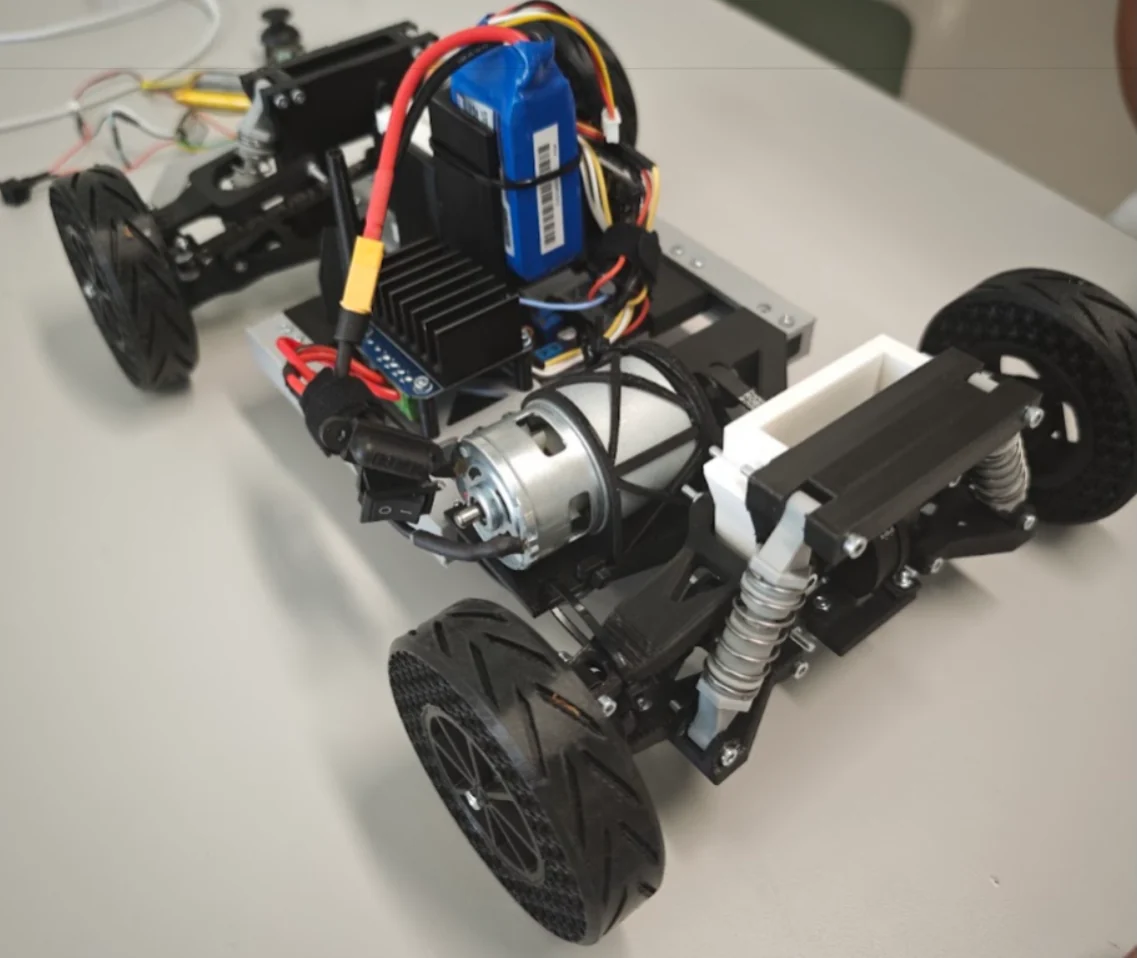
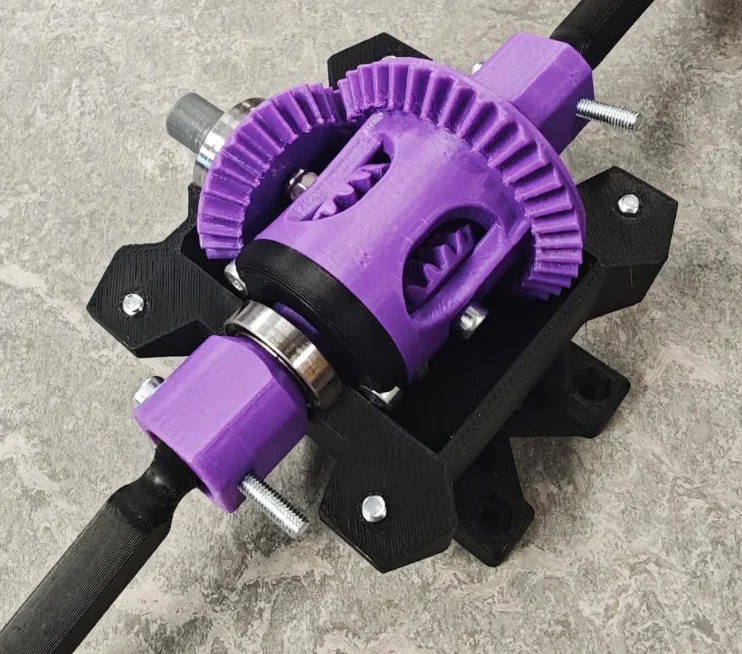
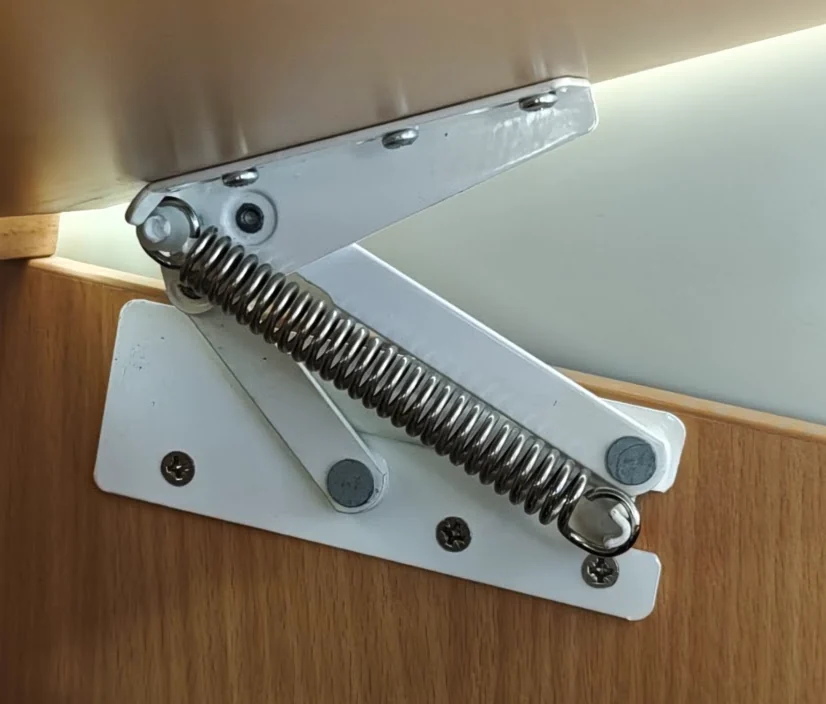
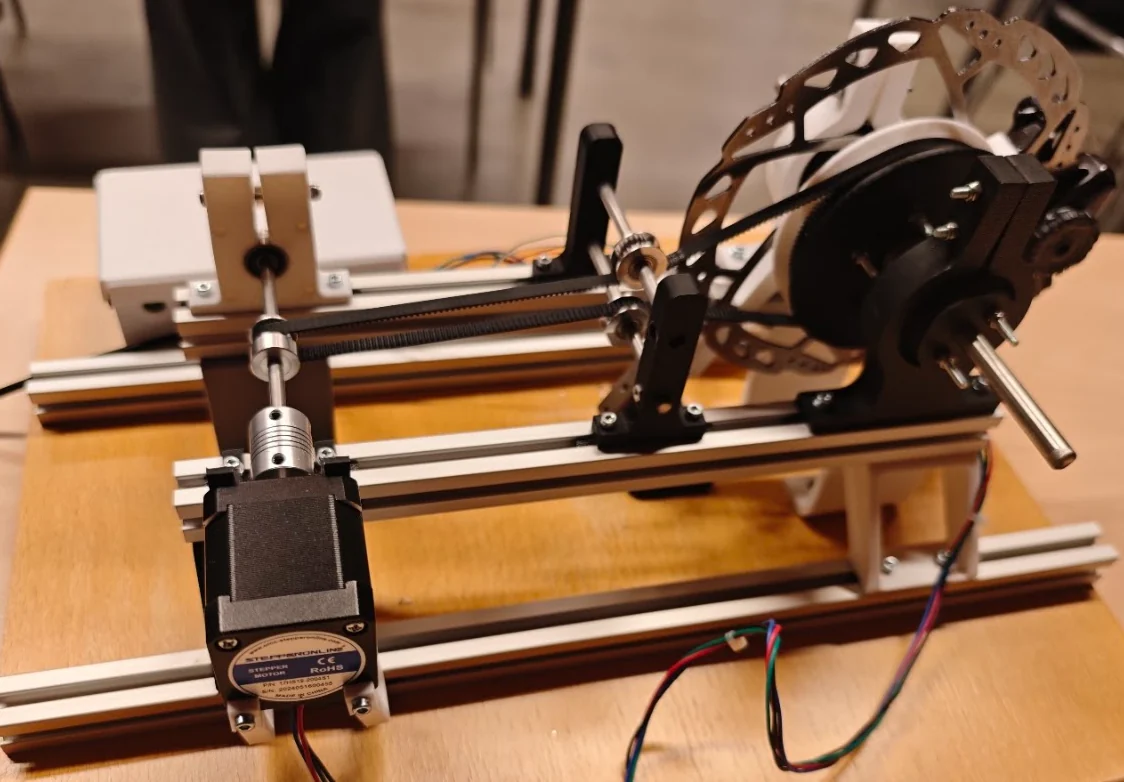
“What I cannot create, I do not understand.”
— Richard P. Feynman, 1988
This book serves the mechanics, solid mechanics, machine elements and mechatronics courses at the School of Engineering in Jönköping. It is being written while those courses are rebuilt, and will stay unfinished for some time yet.
Two convictions run through it. The first is that mechanics in the computer age is modelling, not calculation. We set a problem up symbolically so that the structure of the answer and the influence of each parameter are visible before any numbers go in, and let the machine carry the algebra and the arithmetic. The effort this frees goes into the idealisations and into judging whether the result is believable. Vectors, matrices and differential equations are the working language, visualisation is part of the analysis, and Python appears in the first part and never leaves. The language and its libraries are taught on the companion site python.ju.se, the preparatory course in scientific computation, so the chapters here use NumPy, SymPy and Matplotlib without stopping to explain them.
The second is that the parts our students analyse should be parts they have made. Nearly everything here is designed for 3D printing and printed in the workshop, measured on test equipment built in the department, and assembled into things that move. Material data comes from the students’ own specimens and not from a datasheet. That is slower and occasionally embarrassing, but a number you measured yourself is one you can defend. The school teaches within the CDIO framework, in which students conceive, design, implement and operate real systems. This book is the analysis those projects are meant to rest on.
The introduction sets out how the book is arranged, why 3D printing runs through it, and what we are trying to build.